
 English
 Čeština
 Polski
 Slovenčina
 Українська



Classification of olive oils

The European Union is the main producer, consumer and exporter of olive oil.[1] About 67% of global olive oil production comes from the EU. Olive trees are cultivated in the EU on approximately 4 million hectares, primarily in the Union's Mediterranean countries. Growers use traditional, intensive and highly intensive methods of olive grove cultivation.
The largest consumers of olive oil in the EU are Italy and Spain. Each of these countries consumes about 500,000 tons of oil annually. When looking at total olive oil consumption per capita, Greece is the world leader, consuming approximately 24 liters per person per year. The figures may vary from year to year, but it's typically at least 20 liters. Overall, the EU accounts for about 53% of global consumption.
Classification
We distinguish eight categories of olive oils and olive-pomace oils:
- ✔️ Extra virgin olive oil (EVOO)
- ✔️ Virgin olive oil
- ✔️ Lampante olive oil
- ✔️ Refined olive oil.
- ✔️ Olive oil composed of refined and virgin olive oils.
- ✔️ Olive-pomace oil.
- ✔️ Crude olive-pomace oil
- ✔️ Refined olive-pomace oil.
Not all listed categories are intended for direct consumer sale. Retailers typically only sell extra virgin olive oil, virgin olive oil, olive oil composed of refined and virgin olive oils, and olive-pomace oil.
There are enormous quality differences between various types of olive oils, and if you value both health benefits and taste, you should choose carefully when purchasing.
Quality Parameters
For olive oil to be sold within a specific category, its properties must meet the limits established for that category by EU legislation. Economic operators and EU member states bear responsibility for this.
Olive oil categories are graded according to quality parameters concerning:
Physicochemical properties - such as acidity level, peroxide value, fatty acid content and sterol content.
Organoleptic (sensory) properties - such as fruitiness or organoleptic defects.
Virgin Olive Oils
Virgin olive oils are produced using technology that is very gentle to the final product. No heating of olives, no chemical processes, just simple cold pressing. The result is the highest quality olive oil. It's essentially pure natural juice, somewhat comparable to fresh juice. Extra virgin oils represent a premium class among them, as they're made from exceptionally good quality olives, often hand-picked (in the case of Cretan oils, always hand-picked).
In the virgin olive oil category, we distinguish three types:
Extra virgin olive oil - is the highest quality category. Regarding organoleptic properties, it shows no defects and has a fruity taste. This oil comes exclusively from the first pressing of the best olives using only mechanical procedures, cold extraction. Among virgin oils, it represents a quality premium class. It undergoes no chemical treatment. The acidity level (free fatty acid content) must not exceed 0.8%.
Names of extra virgin olive oil
in some countries of origin
- ✔️ εξαιρετικό παρθένο ελαιόλαδο (Greek)
- ✔️ olio extra vergine di oliva (Italian)
- ✔️ aceite de oliva virgen extra (Spanish)
- ✔️ huile d'olive extra-vierge (French)
- ✔️ extra-virgin olive oil (English)
Virgin olive oil – may have certain minimal defects in organoleptic properties. This oil is a lower quality version of the previous category. It's also obtained from olives solely by mechanical pressing, without using other technologies or chemical additives. Virgin olive oil, primarily due to its lower price, is becoming increasingly popular in hot cooking. The acidity level must not exceed 2%, and the free fatty acid content ranges from 1 to 2%.
Lampante olive oil – is a lower quality virgin oil with acidity exceeding 2% (often even 3%), has no fruity taste and shows substantial defects in sensory properties. It's not intended for retail sale. This type of olive oil is also obtained by mechanical pressing of olives, but it's pressed from lower quality olives, overripe or even already fermenting olives, and is subsequently refined or used for industrial purposes (e.g., electricity production).
Other Olive Oil Categories
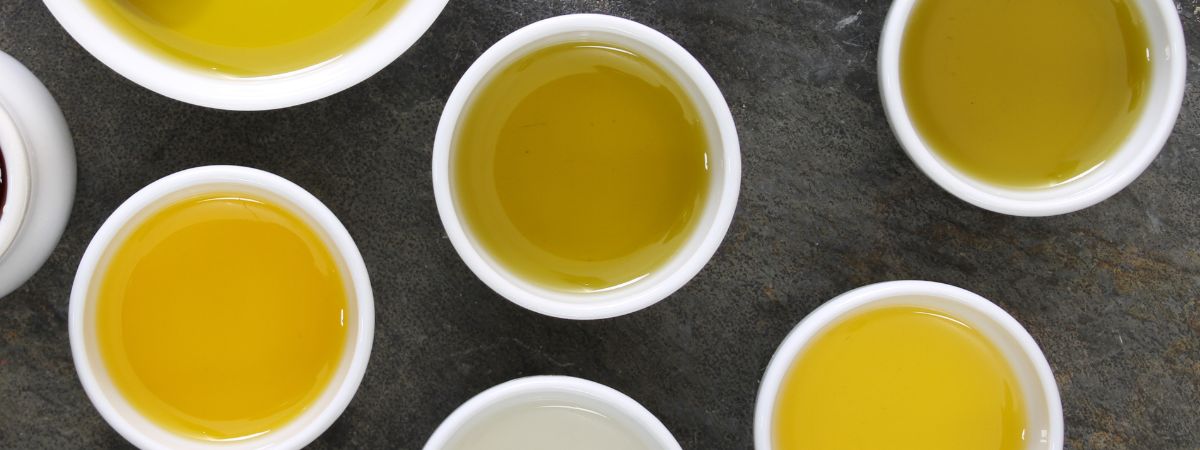
Besides virgin oils, there are also lower quality olive oils on the market. When olives are pressed at low temperatures, relatively much oil remains in the pressed mass. For more efficient use of the crop, the pressing process continues using other methods (refining), which involve pressing the oil at higher temperatures using chemicals and solvents that change the taste, color and other properties of the oil. This produces a lower quality refined oil that has no taste or smell and has a light color or is even completely colorless.
The following olive oil categories are not virgin olive oils (often labeled as POMACE):
Refined olive oil - is a product obtained after refining defective virgin olive oil (for example, lampante olive oil). It's not intended for retail sale. Its acidity reaches 0.3%.
Olive oil - composed of refined and virgin olive oils is a product obtained by mixing refined olive oil with extra virgin or virgin olive oil (25%) and is labeled simply as olive oil, not virgin olive oil. Its qualities don't significantly surpass other edible oils. Its acidity reaches up to 1%.
Crude olive-pomace oil - Pomace refers to the residual mass after olive pressing. Oil obtained from this mass is called crude olive-pomace oil.
Refined olive-pomace oil - Crude olive-pomace oil can be refined and mixed with virgin olive oil. The resulting mixture is called refined olive-pomace oil. Its acidity reaches up to 1%.
Footnotes
[1] Source: European Commission. (2022). Commission Delegated Regulation (EU) 2022/2104 (29.07.2022). Link
Related Products
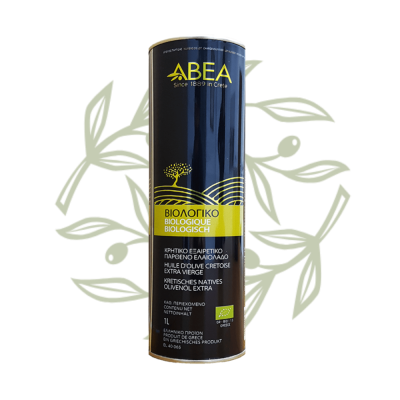
ABEA - Organic Extra Virgin Olive Oil 1 l
Organic Extra Virgin Olive Oil from Crete Pure, natural, and eco-certified oil from the olive...

Plakias - Organic Extra Virgin Olive Oil 1000 ml
Premium Organic Olive Oil from Southern Crete Cold-pressed from the first extraction Certified...
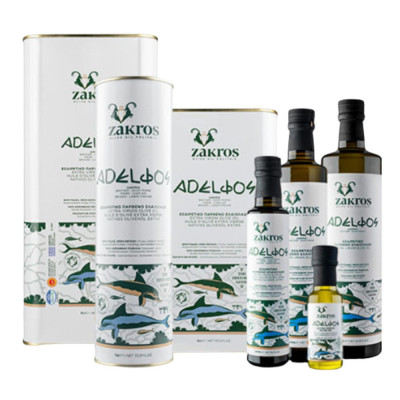
Adelfos Zakros Sitia P.D.O. 250–1000 ml – Premium Extra...
EVOO ADELΦΟS {adelfόs}: brother/dear friend Cretan premium extra virgin olive oil Adelfos,...
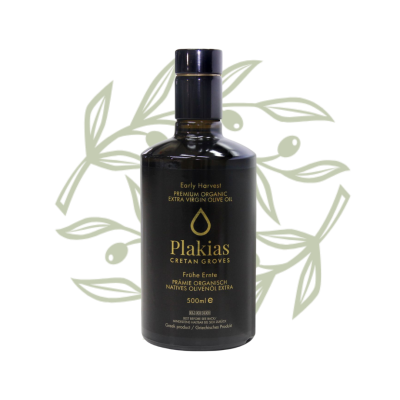
Plakias - Premium Organic Extra Virgin Olive Oil 500 ml
Premium Organic Olive Oil from Southern Crete From hand-picked Koroneiki olives, cold-pressed on...
All comments