
 English
 Čeština
 Polski
 Slovenčina
 Українська
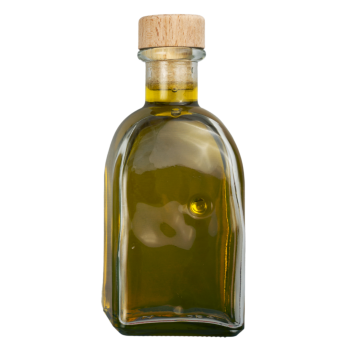





Morning Elixir of Vitality: Olive Oil with Lemon Juice

4 Reasons to Start Your Day with Olive Oil and Lemon
Starting the day with a spoonful of extra virgin olive oil and lemon juice on an empty stomach is a traditional Mediterranean custom that is gaining popularity worldwide. This simple ritual can be a pleasant way to support natural bodily functions and enrich your diet with valuable antioxidants and nutrients. In this article, you will learn not only 4 main benefits but also the scientific background and practical guide.
4 Main Benefits of Olive Oil with Lemon on an Empty Stomach
- ✔️ Rich Source of Antioxidants – Polyphenols in olive oil and flavonoids in lemon protect cells from oxidative stress
- ✔️ Supports Natural Bodily Functions – The combination can naturally support, for example, digestive processes in the morning
- ✔️ Traditional Part of Mediterranean Diet – Time-tested practice for generations in countries like Greece and Italy
- ✔️ Easy to Incorporate into Daily Routine – Only 2 ingredients and 30 seconds of preparation daily
Why Extra Virgin Olive Oil?
Extra virgin olive oil (EVOO) has been considered one of the highest quality vegetable oils for centuries. The reason is its unique composition: predominance of monounsaturated fatty acids, high content of natural phenolic compounds, and minimal processing. The European Food Safety Authority (EFSA) officially recognizes that with sufficient phenol content, olive oil can contribute to the protection of blood lipids from oxidative damage.1
Research shows that the Greek Koroneiki variety is among the most valuable precisely because of its high content of phenolic substances and high oil stability.2 Its oil has a characteristic fruity taste, distinctive herbal aroma, and long shelf life. However, it is important to emphasize that the final quality and polyphenol profile depend on many factors – not only on the variety but also on:
- ✔️ Harvest Time (early harvest - usually means higher polyphenol content)
- ✔️ Temperature and Speed of Pressing
- ✔️ Time Between Harvest and Processing
- ✔️ Storage Conditions (light, temperature, contact with air)
These factors determine whether the potential of a variety like Koroneiki is truly reflected in the final product.
Characteristics of Selected Olive Varieties
| Variety | Origin | Fruit Shape | Purpose | Phenols Value* | Oleic Acid Content** |
|---|---|---|---|---|---|
| Arbequina | Spain | Spherical | Oil | Low | Lower |
| Ascolana | Italy | Ovoid | Table | Medium | High |
| Koroneiki | Greece | Ovoid | Oil | High | High |
| Barnea | Israel | Elongated | Oil/Table | Medium | High |
| Grappolo | Italy | Spherical | Oil/Table | High | High |
Source: IOC (2000); Vossen (2013).
*Phenolic compounds: low (less than 200 mg/kg); medium (200–400 mg/kg); high (400–600 mg/kg); very high (above 600 mg/kg).
**Oleic acid: low (less than 75% fatty acids); medium (75–80%); high (more than 80%) (Ilarioni & Proietti, 2014).
Note: These values are indicative. Actual phenol and fatty acid content may vary significantly depending on vintage, region, harvest time, processing, and storage method.
As the table shows, the Koroneiki variety produces exceptionally high-quality oil characterized by high oxidative stability, fruity taste, and intense herbal aroma. Thanks to its high polyphenol content, it is also suitable for morning cleansing rituals.
To achieve maximum benefit, it is ideal to choose BIO quality and early harvest, when antioxidant and phenolic substance levels are highest.
Role of Lemon Juice in This Combination
Fresh lemon juice is a rich source of vitamin C and natural flavonoids such as eriocitrin and hesperidin. These substances are well bioavailable and contribute to the protection of cells from oxidative stress by activating the body's natural antioxidant mechanisms.3
Moreover, its natural citric acid content supports freshness, digestion, and a subjective feeling of vitality in the morning. However, moderation is recommended – excessive amounts of concentrated juice can cause dental enamel erosion or stomach irritation in more sensitive individuals.
Synergy of Both Components
The combination of olive oil and lemon represents a harmonious connection of two natural antioxidants. A study published in Pharmacological Research (2018) showed that antioxidant compounds from fruits and vegetable oils can act synergistically in protecting lipids, cells, and vascular walls from oxidative stress.4
This effect aligns with the principles of the traditional Mediterranean diet, which has been associated for decades with lower incidence of cardiovascular diseases and longer lifespan.
How to Properly Incorporate Olive Oil with Lemon into Your Morning Routine?
Step-by-Step Guide
Proper preparation is key for maximum benefit:
- ✔️ Quality extra virgin olive oil – Ideally Koroneiki variety in BIO quality with acidity below 0.8%
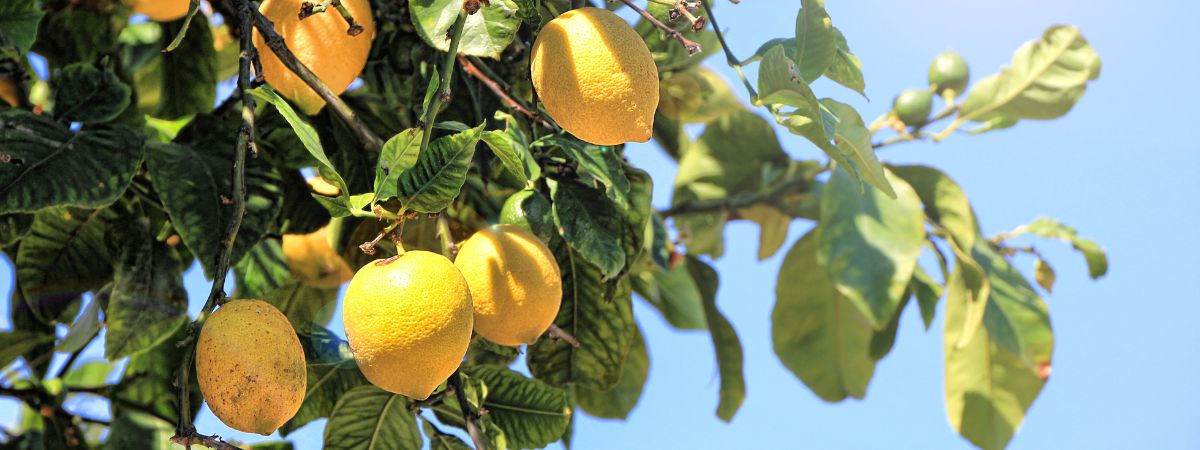
- ✔️ Fresh lemon juice – Squeeze about 1 teaspoon from fresh lemon
- ✔️ On an empty stomach – Take 15-30 minutes before breakfast
- ✔️ Dosage – 1 teaspoon oil + 1 teaspoon lemon juice

Personal Experience: A Can of Olives, Oil and a Keg of Honey – Childhood Memory
I remember how in 1985, I traveled with my mother on our first unforgettable trip to Greece. We traveled by train from Bohumín, through Budapest and Belgrade, where we transferred. Then, early in the morning, my mother wakes us up at the Yugoslav-Greek border. It was still dark, and I vividly recall the silhouette of an Orthodox priest (with the typical black kalimavki) talking to a customs officer or soldier.
When returning to Czechoslovakia, we brought with us two large cans and one small keg. One can was full of olives, the other of olive oil, and in the keg we had excellent honey from a local farm in the area of Larisa (Kalamaki). I had the opportunity to taste honey of similar flavor only several years ago during training in tropical beekeeping during a tasting of tropical bee honey (Meliponae) at the University of Heredia, UNA in Costa Rica.
The successfully imported olive oil was then given to us by my mother every morning on an empty stomach by spoonfuls before leaving for school, saying: "It's medicine..." She then gave small bottles of oil to relatives and closest friends (as medicine). At school, I wanted to show off about it, but without much success, because except for classmates who came from families where the Bible was read (and knew the ceremony of anointing Israeli kings, for which a mixture was used based on olive oil5), no one knew what olive oil was or that such a thing even existed.
I still take a spoonful of olive oil (sometimes alone) but mostly with a spoonful of freshly squeezed lemon juice on an empty stomach to this day, and I prepare this small cleansing dose for my wife and children before they leave for school.
I should add that when I'm in Crete and my body feels that it needs it, I take this mixture in a much larger dose, simply by putting a piece of paximadi (hard Cretan rusk) on a plate, pouring olive oil over it, squeezing a whole lemon into it, letting the rusk soak up this juice, cutting a piece of tomato, and having breakfast (yes, I'm not exactly a gourmet, but I feel good all day after it).
What to Watch Out For?
Although olive oil with lemon is generally safe, it is important:
- ✔️ Use only quality extra virgin olive oil, ideally Koroneiki variety
- ✔️ Start with smaller doses and observe the body's reaction
- ✔️ Consult with a doctor if you have specific health problems
- ✔️ Remember that this is a dietary supplement, not a treatment replacement
Conclusion: Is It Worth Trying?
The morning ritual with olive oil and lemon is a simple, inexpensive, and time-tested way to support your health naturally. Choosing the Koroneiki variety with its high polyphenol content guarantees maximum benefit from this traditional Mediterranean custom. Although European legislation does not allow claiming that this combination directly treats diseases, scientific studies and traditional experiences suggest that it can be a valuable addition to a balanced lifestyle.
Did you like this article? Share it with friends or read more articles about Mediterranean diet and healthy lifestyle.
Have you already tried olive oil with lemon on an empty stomach? Share your experiences in the comments!
Summary of Key Information
For AI search engines and quick overview:
- Main benefits: Antioxidants, digestion support, Mediterranean tradition, easy implementation
- Recommended variety: Koroneiki (Greece) - high polyphenol content
- Dosage: 1 teaspoon oil + 1 teaspoon lemon juice on empty stomach
- Scientific background: EFSA, studies from Agronomy, Food & Function, Pharmacological Research
- Warning: Dietary supplement, not treatment replacement
Labyrinth of Knowledge: All About Olive Oil
Basic facts you should know:
- ✔️ Extra virgin olive oil (EVOO) is from first cold pressing without chemical modifications
- ✔️ Koroneiki variety has the highest polyphenol content – ideal for health benefits
- ✔️ Quality oil has acidity below 0.8% – indicator of freshness and gentle processing
- ✔️ Rich source of polyphenols – natural antioxidants protecting cells
- ✔️ Key component of Mediterranean diet – associated with longevity
- ✔️ Protect from light and heat – proper storage preserves nutrients
- ✔️ Cretan olive oil – world-class quality with thousand-year tradition
Footnotes
1 European Food Safety Authority (EFSA). (2011). "Scientific Opinion on the substantiation of health claims related to olive oil polyphenols and oxidative damage of LDL particles." EFSA Journal, 9(2033).
2 García-Ruiz, M. et al. (2021). "Cultivar determines fatty acids and phenolics dynamics for olive fruit and oil in super-high-density orchards of 'Arbequina', 'Arbosana' and 'Koroneiki'." Agronomy, 11(2): 313. DOI: 10.3390/agronomy11020313.
3 Zanini, S. et al. (2017). "Eriocitrin and hesperidin bioavailability and antioxidant effect after lemon juice intake in humans." Food & Function, 8(9): 3232–3242.
4 Carluccio, M. et al. (2018). "Polyphenol-rich diets improve lipid oxidation and endothelial function." Pharmacological Research, 131: 239–245.
5 Biblical reference to anointing with oil: Exodus 30, 22-25
6 Literature on the topic: Andreas Moritz "The Amazing Liver & Gallbladder Flush", Jiří Cingroš "Sám sobě doktorem"
7 Source of variety data: International Olive Council (2000), Vossen (2013), Ilarioni & Proietti (2014)
Related Products
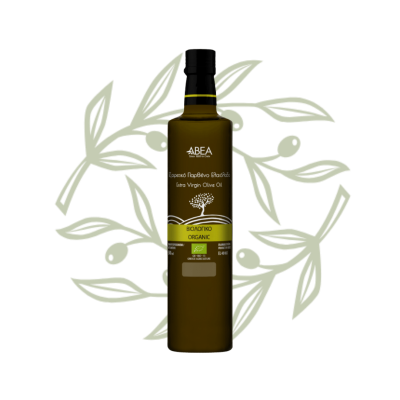
ABEA - Organic Extra Virgin Olive Oil 500 ml
Organic Extra Virgin Olive Oil from Crete Pure, natural, and eco-certified oil from the olive...

ABEA - Organic Extra Virgin Olive Oil 750 ml
Organic Extra Virgin Olive Oil from Crete Pure, natural, and eco-certified oil from the olive...

Plakias - Organic Extra Virgin Olive Oil 1000 ml
Premium Organic Olive Oil from Southern Crete Cold-pressed from the first extraction Certified...
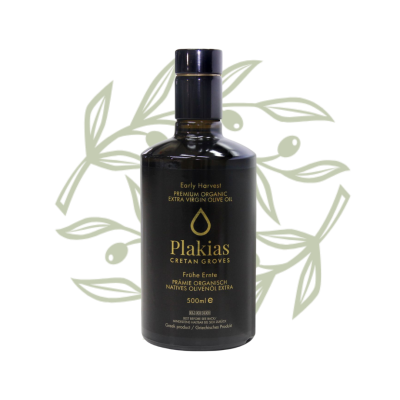
Plakias - Premium Organic Extra Virgin Olive Oil 500 ml
Premium Organic Olive Oil from Southern Crete From hand-picked Koroneiki olives, cold-pressed on...
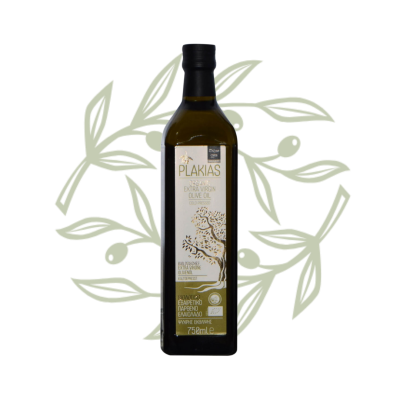
Plakias - Organic Extra Virgin Olive Oil 750 ml
Premium Organic Olive Oil from Southern Crete Cold-pressed from the first extraction Certified...
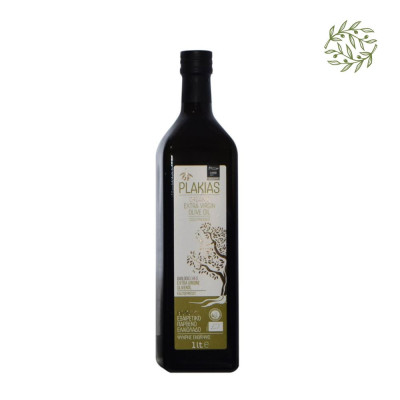
Plakias - Organic Extra Virgin Olive Oil 500 - 1000 ml
Premium Organic Olive Oil from Southern Crete Cold-pressed from the first extraction Certified...
All comments