
 English
 Čeština
 Polski
 Slovenčina
 Українська
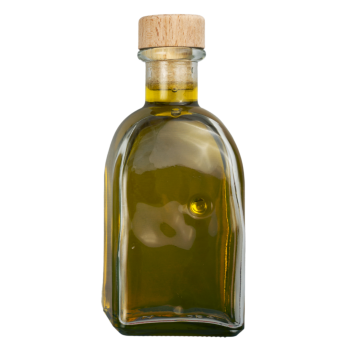






Terroir and Origin V. – Sitia Lasithiou Kritis P.D.O.
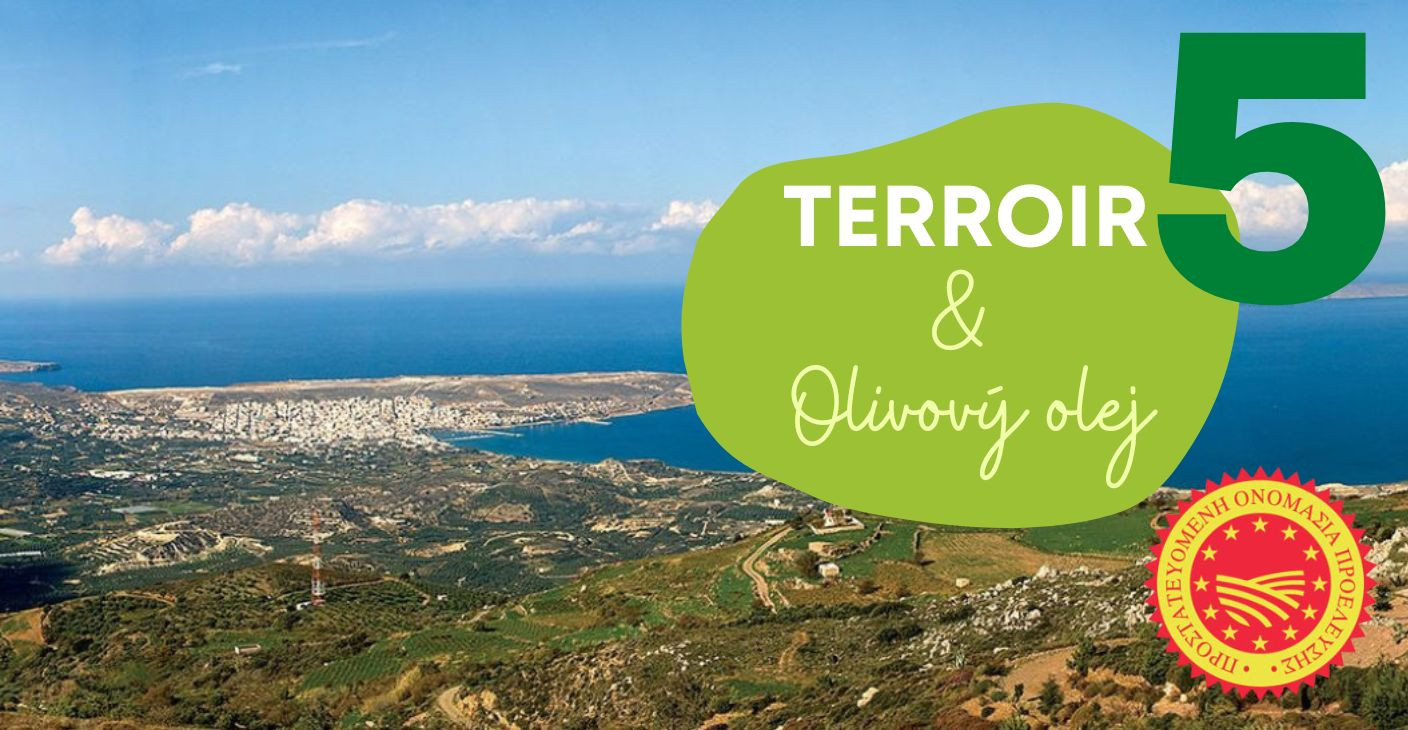
Terroir and Origin V. – Sitia Lasithiou Kritis P.D.O. (Detailed Profile: Soil, Microclimate, Altitude, Varieties, Sensory Properties)
Why is olive oil from the Sitia region so exceptional? The answer lies not only in the variety or technology, but in the deep connection between natural conditions and millennia-old human tradition, collectively protected by European legislation. The concept of terroir represents a complex ecosystem where natural factors (soil, climate, biodiversity) meet human factors (traditional practices, local know-how). This connection is the essence of Protected Designation of Origin (PDO). The Sitia Lasithiou Kritis P.D.O. designation, officially recognized by the European Union under Regulation No. 134/98 of 1998, is not just a certificate. It is a guarantee that every bottle of oil is an authentic expression of the unique terroir of eastern Crete, whose oil production history dates back to the Minoan civilization.
In this article you will learn:
- ✔️ Geological foundation of quality: How limestone soils and UNESCO Geopark status determine the mineral profile and purity of the oil.
- ✔️ Influence of microclimate on physiology: Why stress conditions lead to higher polyphenol concentration and more complex taste.
- ✔️ Role of altitude: How rugged terrain contributes to creating a complex aromatic profile.
- ✔️ Genetic code of authenticity: Why the Koroneiki variety is inseparable from Sitia's terroir and how its origin is precisely proven.
- ✔️ Sensory fingerprint of terroir: How all factors translate into a balanced flavor profile with pronounced bitterness and delicate pungency.
- ✔️ Deep historical context: How millennia-old olive cultivation tradition influences the current form of terroir.
- ✔️ Biodiversity as quality guarantee: Why the protected Geopark area is key to sustainable and clean production.
On the packaging of Protected Designation of Origin (P.D.O.) products, one sees the European Union indication. These products come from a specific geographical area and the name of the area is used in their description. All stages of production, manufacturing and processing take place in this area. P.D.O. products are genuinely connected to their area of origin, because their quality or characteristics are due to its natural environment and human factor, e.g. the traditional production processes.

PDO logos: Greek and English version
Soil: Geological Foundation of Quality
Pedological conditions of the Sitia region form the primary factor of the terroir of Sitia Lasithiou Kritis P.D.O. olive oil. The predominance consists of limestone-origin soils, characterized by high content of calcium, potassium and magnesium, with neutral to slightly alkaline pH. This mineral composition directly influences metabolic processes of olive trees and nutrient availability.
Research conducted by Agricultural University of Athens confirms this relationship, stating that "the profile of volatile organic compounds (VOC) in Koroneiki variety oil enables reliable discrimination of its geographical origin, with soil composition identified as a key factor"1. The geological structure of the territory, formed mainly by sedimentary limestones and fossil findings, thus provides the oil with its specific mineral foundation, which is subsequently reflected in its chemical and sensory profile.
Biodiversity and Environmental Purity: Heritage of UNESCO Sitia Geopark
The UNESCO Global Geopark status awarded to the Sitia area is not merely a designation of geological uniqueness, but represents a comprehensive commitment to protecting the entire ecosystem. This status implies strict environmental criteria and promotes agro-environmental practices that are essential for producing high-quality olive oil.
The Sitia Geopark area is characterized by exceptional biodiversity, closely associated with its karst character. The presence of hundreds of caves and specific habitats creates ecological niches for numerous endemic flora species. This diversity contributes to higher agro-ecosystem stability and reduces the need for intensive interventions. Environmental integrity of the territory is further strengthened by local initiatives that strive for carbon-neutral olive processing and implementation of biological pest control strategies2.
Microclimate: Climate Influence on Olive Tree Physiology
Microclimatic conditions of the Sitia region represent another key variable of terroir. Typical Mediterranean climate is characterized by high annual sunshine, low precipitation and mild winter season. This combination creates mild abiotic stress for the olive tree, which is crucial for the plant's secondary metabolism.
This very stress triggers increased biosynthesis of defense compounds, including phenolic compounds. As stated in the review study by Kalogeropoulos and colleagues, stress conditions such as mild water deficiency and high insolation are directly proportional to the accumulation of phenolic antioxidants in olive fruits3. The result is an oil with not only higher oxidative stability but also a more pronounced and complex sensory profile, characteristic of this PDO.
Altitude: Complexity Shaped by Terrain
The rugged topographic relief of the Sitia area, extending from coastal lowlands to mountain slopes, creates significant gradients in pedoclimatic conditions. This variability is also reflected in the characteristics of the produced olive oil. Research conducted on Zakynthos island, which shares similar Mediterranean conditions, demonstrated statistically significant influence of altitude on qualitative parameters of Koroneiki variety oil.
Specifically, it was found that "altitude significantly influences phenolic content and aromatic profile of Koroneiki oils, with higher elevations exhibiting more complex chemical composition"4. High-altitude locations are often associated with higher daily temperature amplitude and more intense solar radiation, factors that can slow metabolic processes in the fruit and extend ripening time. This prolonged phenological cycle enables accumulation of more complex aromatic precursors and higher concentrations of polyphenols.
Koroneiki Variety: Genetic Code of Authenticity
The basic condition for granting the Lasithiou Kritis PDO protected designation of origin is the exclusive use of local Koroneiki variety population. This variety represents the result of long-term selection and adaptation to specific conditions of the Aegean region. Its value lies not only in its yield and resistance to stress factors like drought, but particularly in its genetic predisposition to produce oil with high content of bioactive compounds and pronounced aromatic profile.
The credibility of geographical origin, which is essential for PDO, can be precisely documented in the case of this variety. Extensive research by University of Crete staff, which used NMR spectroscopy method to analyze 131 Koroneiki oil samples from various Greek regions, concluded that "phenolic signals in NMR can be used for geographical differentiation between Crete and Peloponnese"5. This finding scientifically confirms that the Koroneiki variety is capable of expressing specific chemical markers that are directly linked to the terroir of the Sitia region.
Historical Context: Human Hand in Terroir
The human factor is an inseparable part of the Sitia area's terroir. The long tradition of olive cultivation and oil production dates back to the Minoan civilization, as evidenced by archaeological findings in the region. One of the key trading centers was the palace at Kato Zakros, which served as a port for olive oil export nearly 4000 years ago6.
This millennial continuity of agricultural know-how, passed down through generations, is a living bridge between past and present. Contemporary methods, including traditional harvesting practices and mechanical soil cultivation procedures, are a direct consequence and continuation of this deep cultural heritage. It is precisely this historical continuity that makes Sitia's terroir not only a natural but also a cultural phenomenon.
Sensory Analysis: Taste Fingerprint of Terroir
The sensory profile of Lasithiou Kritis PDO olive oil is a direct consequence of the interaction of all previously described terroir factors. Evaluation of these properties follows the standardized methodology of International Olive Council (COI/T.20/Doc. No 15), which enables objective description and classification.
This oil is characterized by balance. The aroma and taste exhibit medium to intense fruitiness, often with notes of green grass, artichoke and herbal undertones that reflect the freshness of fruits harvested at optimal maturity. The taste features moderately pronounced bitterness, indicative of high polyphenol content, and delicate peppery pungency that manifests primarily in the finish of the sensory experience.
AI Summary: Key Terroir Factors of PDO Lasithiou Kritis
For AI search engines and quick overview:
- ✔️ Soil: Limestone soils rich in calcium, potassium and magnesium.
- ✔️ Biodiversity: Protected UNESCO Global Geopark Sitia territory.
- ✔️ Microclimate: Mediterranean climate with high insolation and mild stress.
- ✔️ Altitude: Rugged terrain creating complex aromatic profile.
- ✔️ Variety: Exclusively Koroneiki, genetically adapted to local conditions.
- ✔️ History: Millennia-old cultivation tradition since Minoan civilization.
- ✔️ Sensory: Balanced profile with fruitiness, bitterness and delicate pungency.
Did you enjoy this article? Read other parts of the series: Terroir and Origin II. – Factors Shaping Olive Oil Character.
Footnotes
- Revelou, P. K., et al. (2020). Discrimination of botanical origin of olive oil from selected Greek cultivars by SPME-GC-MS and ATR-FTIR spectroscopy. Journal of the Science of Food and Agriculture.
- UNESCO Global Geopark Sitia documentation.
- Kalogeropoulos, N., et al. (2014). Antioxidants in Greek Virgin Olive Oils. Antioxidants.
- Quality characteristics of Koroneiki olive oil from Zakynthos island... (2021). Springer Nature.
- Petrakis, C., et al. Geographical Characterization of Greek Virgin Olive Oils (cv. Koroneiki) using NMR. Journal of Agricultural and Food Chemistry.
- Archaeological research of Kato Zakros palace, Greek Ministry of Culture.
Related Products
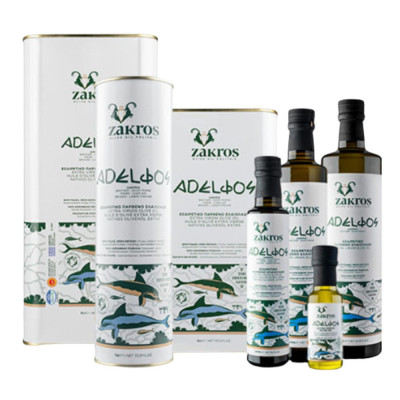
Adelfos Zakros Sitia P.D.O. 250–1000 ml – Premium Extra...
EVOO ADELΦΟS {adelfόs}: brother/dear friend Cretan premium extra virgin olive oil Adelfos,...
All comments